-
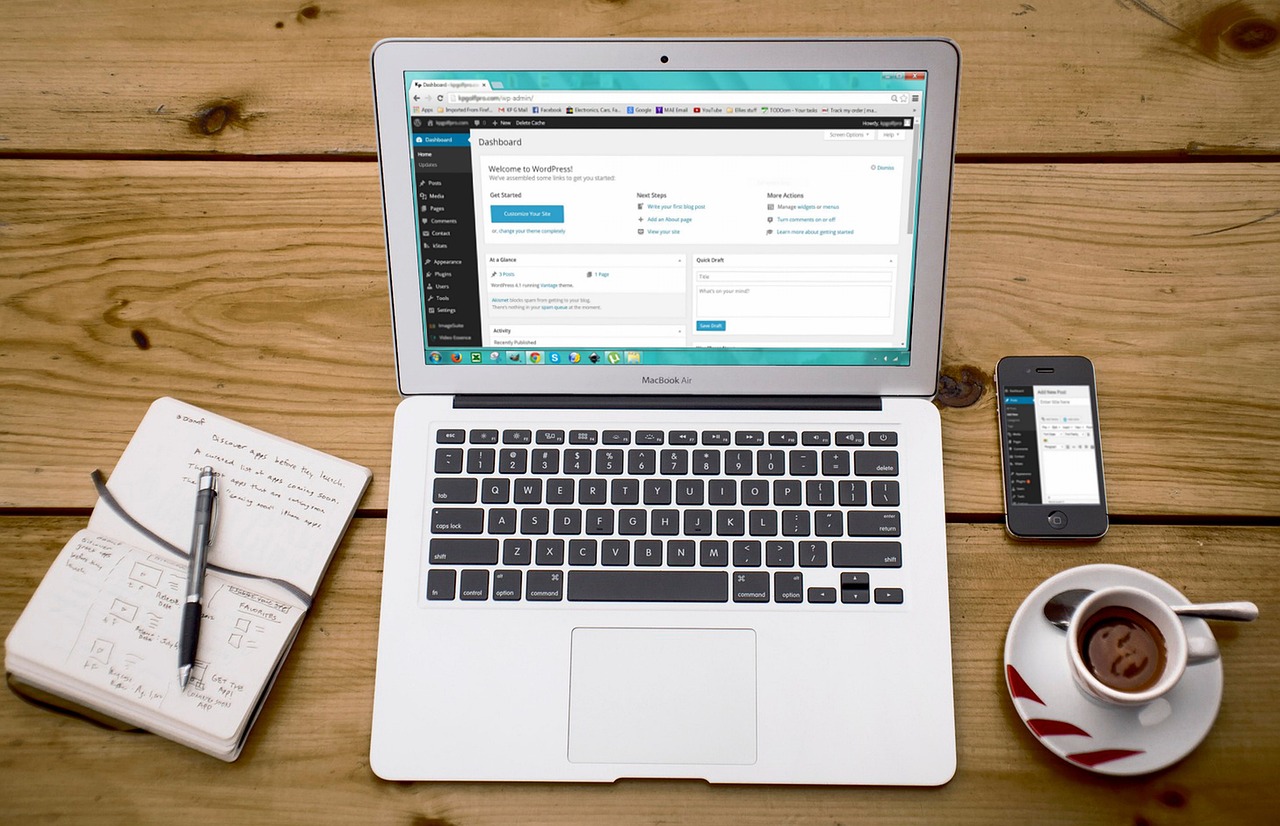
When Do I Need an Author’s Page?
Our answer to when you should have your own author’s page is always the same: Now. Before your first publication, if possible.
-
Market Your Darlings: How to Sell Books Like the Products They Are
Wondering how to sell books without feeling like a fraud? We’ll walk you through the valley of marketing your book so you can make the sales you need without sacrificing your integrity.
-
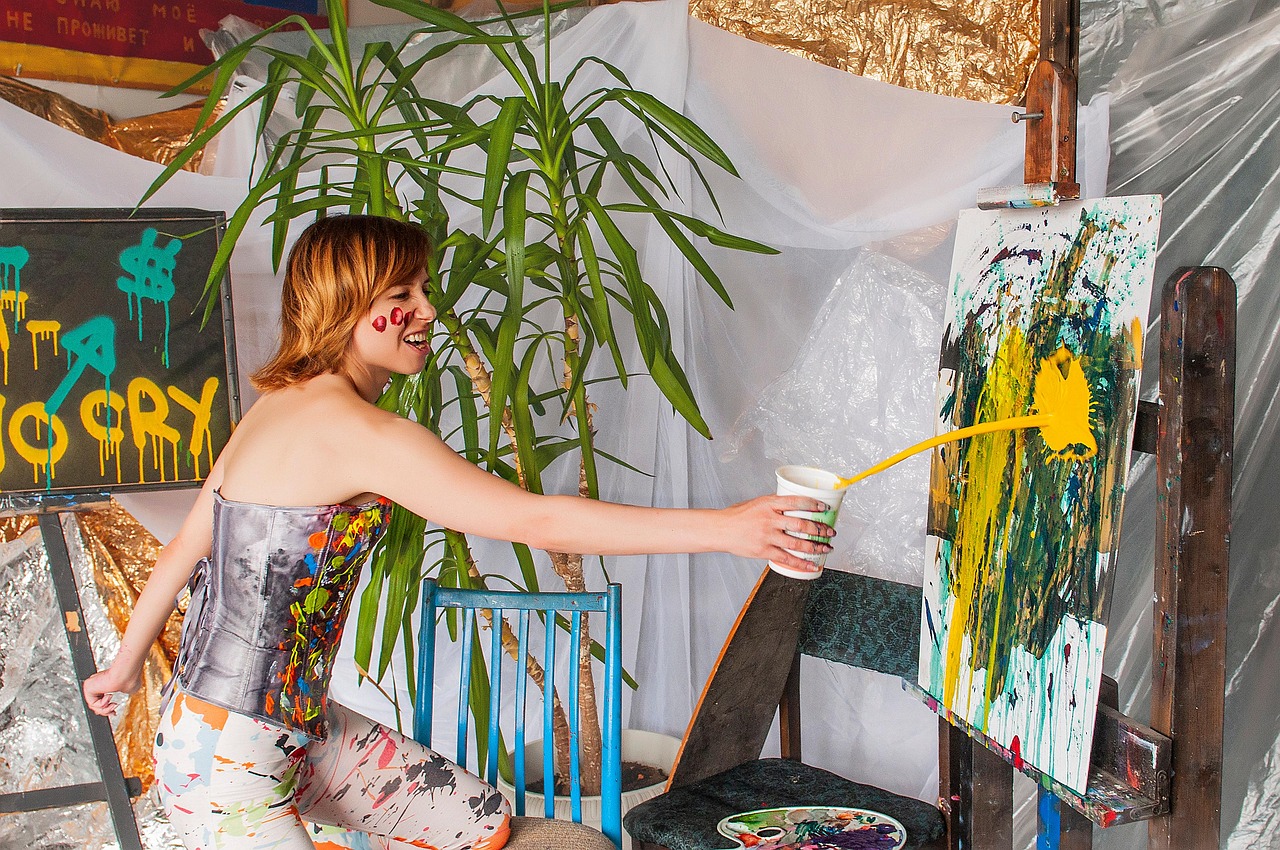
Creating an Online Art Portfolio
In the age of “AI art,” people are searching for creators with intention. But creating an online art portfolio that highlights your personality is no easy task, even for highly creative people.
-

7 Web Design Tips to Sell Handmade Items Online
Ready to craft the perfect website for your artisan business? We’ll get you ready to sell your handmade items online in no time.
-

WordPress for Authors: Build a High-Converting Site
As an author, you need direct access to your audience. So, is WordPress right for your author site? Read on to find out.
-

How to Have a Productive Conversation About AI
Lately, we’ve been seeing quite a lot of disingenuous arguments regarding AI. Here’s now to have a more productive conversation about AI moving forward.
-
I’m an Etsy Entrepreneur. Do I Need My Own Website?
As an Etsy entrepreneur, you already have access to a massive sales platform. Would building your own craft business website be a waste?
-
How to Draw Fans to Your Art Site
Your Instagram is probably amazing. But your art site should be the hub that fans keep returning to. Learn how to create a direct line of communication with your followers.
-

Should You Monetize Your Blog?
Once your blog starts to bring in predictable views, you might consider monetizing. Let’s talk about the pros and cons of monetization as an author, artist, crafter, or other creator.
-
Authors: When Should You Choose a Web Builder?
Is setting up a custom author website in your best interest? The truth is that a basic web builder might be all you need.

Our Blog
Advice for artists, artisans, authors, and other creators
Building your own custom website, portfolio, online store, or blog? We Are Seven Web Design is here to help! Check out our free resources below to get the professional insight you need to create a fantastic site.
Blogs by Topic

Resources for Authors
Learn how you can create an author platform that will keep your readers engaged.

Resources for Artists
Create an online art portfolio, and print shop, and much more with a custom website.

Resources for Crafters
Connect with buyers directly when you build your own artisan website for your craft business.

Resources for Bloggers
Coming Soon!
Explore the ins and outs of building a successful blog as an author, artist, crafter, or other creator.
Our Latest Blogs
Browse by Page
Browse by Topic
Need a Custom Website?
Follow Us on Social Media
Attribution
Web Design by We Are Seven
Attribution for Stock Images
Privacy
View Our Privacy Policy
Contact